I'm in the process of moving this whole blog over to www.walksomewhere.com. You're invited, please bring your travel experiences.
2010 - Oceanside, CA
Houdini Wind Jacket - Once upon a time I lived in the town of Appleton, WI, home of paper mills and the birth place of Harry Houdini. The man could get out of ropes, but he won't be escaping from his fame any time soon. In fact, Houdini's name lives on even amongst outdoor enthusiasts in the form of an almost legendary wind shirt from Patagonia. Read the reviews and you'll discover this 4 oz. wonder is up there in the essentials of many travelers for good reason.

Looking smug in the loo.
Mine came in last night and I'm initially very pleased. At first I was concerned about sizing; Patagonia's online chat agent recommended medium, but I went with my gut and purchased small. Glad I did, fits like a charm! I'm nearly 6' 1" and a trim 160 lbs. Small sizes usually fit my chest and waist well, but come short on length. Happily, the sleeves of the Houdini fall just right and the length works well with my longish torso.

It fits my slender frame rather well.
I'm hoping to get three season use out of the wind shirt in combination with an ultralight umbrella, unless expecting heavy rain. Then out comes my North Face Venture. Happily, the Houdini shaves off six ounces and seems to breath much better.

With the hood. (I normally wear a hat, too.)
Nano Puff Pullover - My first impression is a well sustained "nice." The Nano Puff is a marvel of compact, warm lightness crossed with downright good looks. I have an 850 fill-power down jacket (North Face) for winter or base camp use, but Patagonia's Nano Puff is coming in for three season use in combination with the Houdini and regular base layers. The Nano weighs about 9 oz. and has a wonderful hand. Synthetic fill will probably fare better in Spring and Autumn showers. Best of all, it packs so ridiculously small for the 80% of the time I'm on the trail and too hot for it.


All packed up!
Houdini Wind Jacket - Once upon a time I lived in the town of Appleton, WI, home of paper mills and the birth place of Harry Houdini. The man could get out of ropes, but he won't be escaping from his fame any time soon. In fact, Houdini's name lives on even amongst outdoor enthusiasts in the form of an almost legendary wind shirt from Patagonia. Read the reviews and you'll discover this 4 oz. wonder is up there in the essentials of many travelers for good reason.
Looking smug in the loo.
Mine came in last night and I'm initially very pleased. At first I was concerned about sizing; Patagonia's online chat agent recommended medium, but I went with my gut and purchased small. Glad I did, fits like a charm! I'm nearly 6' 1" and a trim 160 lbs. Small sizes usually fit my chest and waist well, but come short on length. Happily, the sleeves of the Houdini fall just right and the length works well with my longish torso.
It fits my slender frame rather well.
I'm hoping to get three season use out of the wind shirt in combination with an ultralight umbrella, unless expecting heavy rain. Then out comes my North Face Venture. Happily, the Houdini shaves off six ounces and seems to breath much better.
With the hood. (I normally wear a hat, too.)
Nano Puff Pullover - My first impression is a well sustained "nice." The Nano Puff is a marvel of compact, warm lightness crossed with downright good looks. I have an 850 fill-power down jacket (North Face) for winter or base camp use, but Patagonia's Nano Puff is coming in for three season use in combination with the Houdini and regular base layers. The Nano weighs about 9 oz. and has a wonderful hand. Synthetic fill will probably fare better in Spring and Autumn showers. Best of all, it packs so ridiculously small for the 80% of the time I'm on the trail and too hot for it.
All packed up!
2010 - Oceanside, CA
More than one-third of your life passes under the darkness of night. If you travel near the polar regions that figure goes up. Having reliable and versatile light sources is essential.
I realize lots of ultra-lighters swear by single 5 or 10 lumen LED key chains running on minuscule button-cell batteries. These ounce-counters (I am to an extent one of them) are thinking about weight more than function. Usually that works for lighting. They get up at dawn and go to sleep not long after sunset, worn out from the day's hike. But they might not be thinking about safety or versatility.
If an emergency -- snake bites, bear attacks, or your partner's cardiac arrest-- requires you to evacuate an area during eight or ten hours of darkness, it will be maddening trying to navigate trails with that tiny light. Again, if a person is seriously injured and must be attended to in the field that dinky light will draw out curses. It might just be a lost item that needs to be found in a large area, or an unexpected poker game in the back country.
Many people choose to go with headlamps for this reason. Some headlamps are very small and even feature-rich, such as the 1 oz. Petzl E+Lite, but again, might not be very bright (the E+Lite claims 16 lumens). Brighter headlamps packing 40-80 lumens can be prohibitively expensive and usually require several batteries in an attached pack. Weight savings and chances of equipment failure might rise with the complexity.
Here is my system (which may not work for you):
First, let me say that I always like to have a red LED of some sort because it doesn't disable night vision while reading maps or doing tent chores. Red usually gets the job done on minimal power, without disturbing snoozing mates. However, I liked a white LED for reading when solo, and as a backup for navigating trails at night. I used to employ two iNova keylights for this purpose, which combined to weigh a scant .7 oz.
However, I am switching over to the Petzl E+Lite simply because for a negligible .3 oz. more I'll get:
__- waterproof to 1 meter, or all the rain in the world
__- headband strung around my neck at all times (I lost 2 iNovas on one trip)
__- white AND red LEDs, and strobe modes
__- has built in clip options to go strapless
__- 3 times the lumens of my iNova
Ironically, I plan for this to be my backup -- you WANT backup light -- because I don't like plowing through expensive coin-cell lithium batteries and mostly use this for the never-ending red LED.
Now to what I alluded to, and the purpose of my post:
The light which sees a lot of daily use and gives me serious photon power in the field is almost unknown to the backpacking world: the 4Sevens Quark AA R5 flashlight.
Before listing the specs, I'll mention why I love it. First, the thing is lighter than most headlamps, but packs a range of modes, ranging from the oh-so-useful .2 lumens moonlight mode all the way to 109 lumens! You can light only the sentence of a book, or blast beams into dark side like Han Solo. As for handling, the Quark is svelte but purposeful, with beefy knurling for grip. A reversible clip allows it to clench hat brims, and it can tail stand with a diffuser tip to be a powerful camp lantern. It's seriously rugged with aircraft-grade aluminum and glass, with an IPX-8 rating, AKA waterproof to 3 meters, and features both SOS and self-defense strobe modes. Last, the Quark uses one of the latest high-efficiency LEDs. The manufacturer rates the run time conservatively, for alkalines. With lithium batteries, you might get double these times:
__- Moonlight: 0.2 lumens for 10 days or 240 hours (1ma)
__- Low: 4 OTF lumens for 2 days (10ma)
__- Medium: 22 OTF lumens for 6 hours (50ma)
__- High: 85 OTF lumens for 1.5 hours (250ma)
__- Max: 109 OTF lumens for 1.2 hours (350ma)
__- Strobe: 109 OTF lumens for 2.5 hours
__- Beacon: 0-109 OTF lumens pulse for 18 hours
Now for the rest:
__- Weight: 1.8 oz. (AA Lithium battery brings it to 2.3 oz.)
__- Length: 3.8 inches
__- Diameter: 0.86 inches
__- LED Emitter: Premium Cree XP-G R5
__- 5 Current Regulated Output Levels
__- 3 Flash modes: Strobe, SOS, Beacon
__- Square threads for lifetime smooth operation
__- Type III Hard Anodized finish
__- Reversible/Removable Clip
__- Reversible/Removable Clip
__- Impact-resistant glass lens with Dual-coating - sapphire coating on the outside and anti-reflective coating on the inside for optimal efficiency and durability.
__- T-6061 Aircraft-grade Aluminum Body
I realize lots of ultra-lighters swear by single 5 or 10 lumen LED key chains running on minuscule button-cell batteries. These ounce-counters (I am to an extent one of them) are thinking about weight more than function. Usually that works for lighting. They get up at dawn and go to sleep not long after sunset, worn out from the day's hike. But they might not be thinking about safety or versatility.
If an emergency -- snake bites, bear attacks, or your partner's cardiac arrest-- requires you to evacuate an area during eight or ten hours of darkness, it will be maddening trying to navigate trails with that tiny light. Again, if a person is seriously injured and must be attended to in the field that dinky light will draw out curses. It might just be a lost item that needs to be found in a large area, or an unexpected poker game in the back country.
Many people choose to go with headlamps for this reason. Some headlamps are very small and even feature-rich, such as the 1 oz.
 Petzl E+Lite, but again, might not be very bright (the E+Lite claims 16 lumens). Brighter headlamps packing 40-80 lumens can be prohibitively expensive and usually require several batteries in an attached pack. Weight savings and chances of equipment failure might rise with the complexity.
Here is my system (which may not work for you):
First, let me say that I always like to have a red LED of some sort because it doesn't disable night vision while reading maps or doing tent chores. Red usually gets the job done on minimal power, without disturbing snoozing mates. However, I liked a white LED for reading when solo, and as a backup for navigating trails at night. I used to employ two iNova keylights for this purpose, which combined to weigh a scant .7 oz.
However, I am switching over to the Petzl E+Lite simply because for a negligible .3 oz. more I'll get:
__- waterproof to 1 meter, or all the rain in the world
__- headband strung around my neck at all times (I lost 2 iNovas on one trip)
__- white AND red LEDs, and strobe modes
__- has built in clip options to go strapless
__- 3 times the lumens of my iNova
Ironically, I plan for this to be my backup -- you WANT backup light -- because I don't like plowing through expensive coin-cell lithium batteries and mostly use this for the never-ending red LED.
Now to what I alluded to, and the purpose of my post:
The light which sees a lot of daily use and gives me serious photon power in the field is almost unknown to the backpacking world: the 4Sevens Quark AA R5 flashlight.
Before listing the specs, I'll mention why I love it. First, the thing is lighter than most headlamps, but packs a range of modes, ranging from the oh-so-useful
 .2 lumens moonlight mode all the way to 109 lumens! You can light only the sentence of a book, or blast beams into dark side like Han Solo. As for handling, the Quark is svelte but purposeful, with beefy knurling for grip. A reversible clip allows it to clench hat brims, and it can tail stand with a diffuser tip to be a powerful camp lantern. It's seriously rugged with aircraft-grade aluminum and glass, with an IPX-8 rating, AKA waterproof to 3 meters, and features both SOS and self-defense strobe modes. Last, the Quark uses one of the latest high-efficiency LEDs. The manufacturer rates the run time conservatively, for alkalines. With lithium batteries, you might get double these times:
__- Moonlight: 0.2 lumens for 10 days or 240 hours (1ma)
__- Low: 4 OTF lumens for 2 days (10ma)
__- Medium: 22 OTF lumens for 6 hours (50ma)
__- High: 85 OTF lumens for 1.5 hours (250ma)
__- Max: 109 OTF lumens for 1.2 hours (350ma)
__- Strobe: 109 OTF lumens for 2.5 hours
__- Beacon: 0-109 OTF lumens pulse for 18 hours
Now for the rest:
__- Weight: 1.8 oz. (AA Lithium battery brings it to 2.3 oz.)
__- Length: 3.8 inches
__- Diameter: 0.86 inches
__- LED Emitter: Premium Cree XP-G R5
__- 5 Current Regulated Output Levels
__- 3 Flash modes: Strobe, SOS, Beacon
__- Square threads for lifetime smooth operation
__- Type III Hard Anodized finish
__- Reversible/Removable Clip
__- Reversible/Removable Clip
__- Impact-resistant glass lens with Dual-coating - sapphire coating on the outside and anti-reflective coating on the inside for optimal efficiency and durability.
__- T-6061 Aircraft-grade Aluminum Body
2010 - Oceanside, CA
Ultralight Joe is a gran'daddy in the ultra-light world - a world I feel increasingly drawn to. His recipe for Moose Goo is something I'm thinking of incorporating on future treks, particularly the JMT.
Here is the recipe page in full:
Ultralight Joe's Moose Goo
NOTE: If you pass this around to your friends, I have but one request - please refer to it as "Ultralight Joe's Moose Goo". Since I run this site anonymously, it's not an ego thing. I just get a kick out of
hearing it mentioned on the trail, let's me know I'm contributing to my fellow trekkers. A simple pleasure, perhaps, but I take what I can get. :-) Thanks!
Basic Recipe:
Single Squeeze Tube Proportions (2-3 lunches w/ large tortillas):
- 2 parts honey
- 2 parts corn flour (NOT corn meal! I plan to try sweet rice flour soon.)
- 1 part peanut butter (preservative-laden)
- Mix thoroughly, will take some time.
- Pack into Coghlan's Squeeze Tube (REI, Campmor, etc), or in cold weather wrap in wax paper.
Per tube:
- 8 tbsp honey
- 8 tbsp corn flour
- 4 tbsp peanut butter
- 1320 calories
- 172g carbs (70 simple, 102 complex)
- 24g protein
- 38g fat (That's a high proportion of fat, but what the heck...)
BEWARE! Below 40F, Ultralight Joe's Moose Goo becomes impossible to squeeze out! I open the tube from the back and spoon it out when that happens. For snow camping I pack it in wax paper instead, eat it like a candy bar, or pre-pack it into tortillas.

UPDATED: 6/21/2010
What items do you keep on your person at all times? Cell phone, keys, Tic-Tacs? Unknown to most people, there is an underground culture of (mostly) men who obsess over honing down and filling out their personal setup to a state of circumstantial perfection. They indulge the mystery and excitement found in seeking and discovering just what pieces of gear really improve one's productivity and potential to react in various events, without significantly increasing weight or appearance. The goal is efficiency; to be prepared without looking like a Transformer. While much of the world walks around like three-piece cutlery sets -- fork, knife, spoon -- afficianados of this quest want to be precisely engineered Leathermans or Swiss Army Knives. We call these borderline compulsives "EDC (Every Day Carry) fanatics" I sit on the verge of their world, a universe not interested in have lots of things so much as having the right things.
Anyways, I think from now on I'll keep you updated with a list of what goes into my EDC. This will include my current setup, and my ideal setup, along with some alternate scenarios. This is apparently my quirky and perhaps pitifully dweebish sense of fun... but it might save your life someday when we're trapped in a sinking car and I have a seat belt cutter in my bag (as I do).
Current EDC List (as of 2010)
Items are divided into two groups: Body Carry and Bag Carry. I almost always have a Tactical Bag with me, whether going for coffee, church, or work.
Body Carry
__Key Chain: Safety whistle (black flute)__
__Phone: Nokia candybar freebie
__Primary Light: Fenix LD20 AA2 (16-206 Lumens / Strobe)
__Backup Light: iNova LED keychain light (Low-high-flash)
__Knife: Buck Pilot
__Watch: Casio Illuminator Watch
__Tactical Belt: 5.11 Tactical 1¾ Operator Belt (Coyote)
__Sunglasses: Generic junkers I found on Amtrak
Bag Carry
__Tactical Bag: Bail Out Bag (Shoulder Sling)
__Water Bottle: Contigo 750ml
__Camera: Canon G11 / Canon 40D (Depending on plans)
__Pen: Lamy Safari Fountain Pen
__Multi-Tool: Leatherman Charge TTi
__Net Reader: iPad
__Music: iPod 3RD Gen
__Audio Recoder: RCA Digital Voice Recorder / Zoom H4N (depending on task)
__Fire Tool: Bic Lighter + Match Book
__
__
__
EDC items I might like to add or swap
__Tactical Bag: Maxpedition Fat Boy Sling
__Primary Light: 4Sevens Quark AA R5
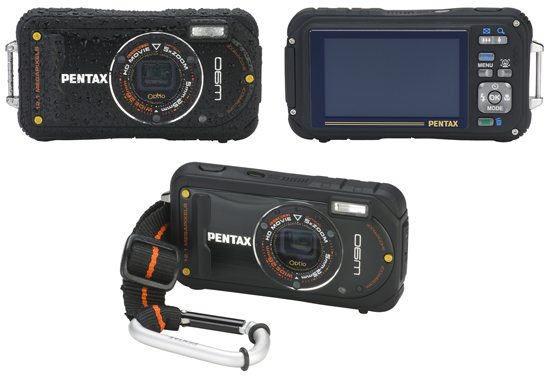
__Camera: Pentax Optio W90
__Ultralight Net Reader: iPod Touch 4th Gen.
__Pen: Schrade Tactical Pen Matte Black / Rite in the Rain Bullet Pen Matte Black
__Knife: Benchmade 551 / 551H20 Griptillian
__Watch: Casio G-Shock DW5600MS-1
__Phone: something with a camera!
__Paracord: 50' TruSpec #550
__Fire Tool: Zippo Shell (Matte Black) w/ Thunderbird Butane Insert + Match Book
__Audio Recorder: Sony ICD-PX820
__Medical Kit: Adventure Medical .5
__Compass: TruSpec Pocket Compass
__Firearm: Perhaps a CV 9mm or even Ruger LCP
__Two-way Radios: Note sure. Could be good for group hikes, one for the pointman and one for the tail guard.
I'm just throwing this list here, too, for my own convenience...
Backpacking & Touring Gear I have an eye on...
__Wood Stove: Vargo Folding Titanium Wood Stove / Wind Screen
__Isobutane Stove: Snow Peak Giga Power or Monatauk Gnat
__Ultralight Net Reader: iPod Touch 4th Gen.
__Fire Tool: Fire Steel or Misch Metal Rod
__Trek Poles: Black Diamond Trail Ergo Cork
__UL Tent: SMD Lunar Solo Enhanced
__Paracord: 50' TruSpec #550
__Pen: Rite in the Rain Bullet Pen Matte Black
__Notepad: Write in the Rain Memo Book
__Pack: ULA Catalyst or SMD Traveler
__Rain Jacket: Patagonia Torrentshell
__Convertible Pants: Merrell Bison
__Technical Fleece: GoLite Vermillion Thermal
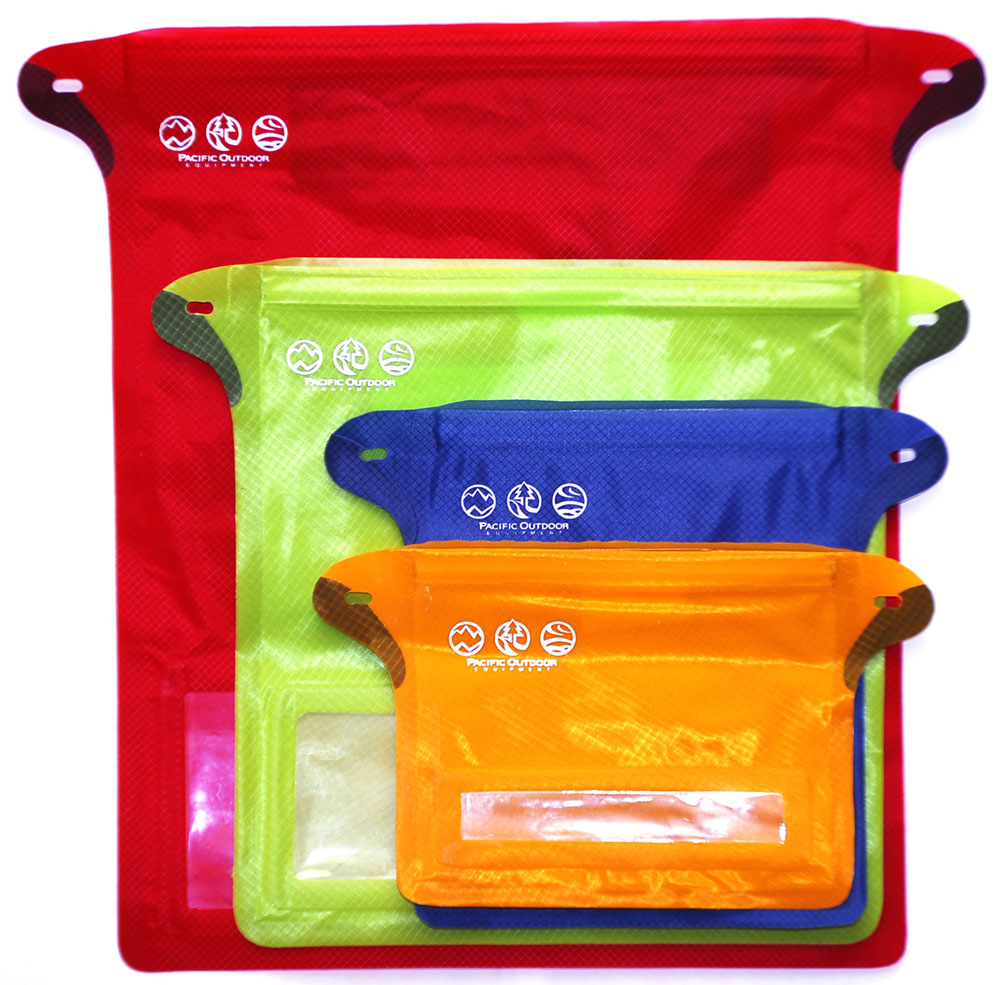
__Waterproof Baggies: Pacific Outdoors Zip Pnuemo or Alako Sacks
__Water Purfier: Steripen Traveler or Opti + Katadyn Micropur Tablets
__Pack Cover: Sea to Summit Sn240
__Trek Shoes: Patagonia Drifter AC, Nine Trail, or Tsali, orNew Balance 875
__Summer Bag / Winter Liner: American Medical Bivy
__Base Layer: Patagonia Capilene 1
What items do you keep on your person at all times? Cell phone, keys, Tic-Tacs? Unknown to most people, there is an underground culture of (mostly) men who obsess over honing down and filling out their personal setup to a state of circumstantial perfection. They indulge the mystery and excitement found in seeking and discovering just what pieces of gear really improve one's productivity and potential to react in various events, without significantly increasing weight or appearance. The goal is efficiency; to be prepared without looking like a Transformer. While much of the world walks around like three-piece cutlery sets -- fork, knife, spoon -- afficianados of this quest want to be precisely engineered Leathermans or Swiss Army Knives. We call these borderline compulsives "EDC (Every Day Carry) fanatics" I sit on the verge of their world, a universe not interested in have lots of things so much as having the right things.
Anyways, I think from now on I'll keep you updated with a list of what goes into my EDC. This will include my current setup, and my ideal setup, along with some alternate scenarios. This is apparently my quirky and perhaps pitifully dweebish sense of fun... but it might save your life someday when we're trapped in a sinking car and I have a seat belt cutter in my bag (as I do).
Current EDC List (as of 2010)
Items are divided into two groups: Body Carry and Bag Carry. I almost always have a Tactical Bag with me, whether going for coffee, church, or work.
Body Carry
__Key Chain: Safety whistle (black flute)__
__Phone: Nokia candybar freebie
__Primary Light: Fenix LD20 AA2 (16-206 Lumens / Strobe)
__Backup Light: iNova LED keychain light (Low-high-flash)
__Knife: Buck Pilot
__Watch: Casio Illuminator Watch
__Tactical Belt: 5.11 Tactical 1¾ Operator Belt (Coyote)
__Sunglasses: Generic junkers I found on Amtrak
Bag Carry
__Tactical Bag: Bail Out Bag (Shoulder Sling)
__Water Bottle: Contigo 750ml
__Camera: Canon G11 / Canon 40D (Depending on plans)
__Pen: Lamy Safari Fountain Pen
__Multi-Tool: Leatherman Charge TTi
__Net Reader: iPad
__Music: iPod 3RD Gen
__Audio Recoder: RCA Digital Voice Recorder / Zoom H4N (depending on task)
__Fire Tool: Bic Lighter + Match Book
__
__
__
EDC items I might like to add or swap
__Tactical Bag: Maxpedition Fat Boy Sling
__Primary Light: 4Sevens Quark AA R5
__Camera: Pentax Optio W90
__Ultralight Net Reader: iPod Touch 4th Gen.
__Pen: Schrade Tactical Pen Matte Black / Rite in the Rain Bullet Pen Matte Black
__Knife: Benchmade 551 / 551H20 Griptillian
__Watch: Casio G-Shock DW5600MS-1
__Phone: something with a camera!
__Paracord: 50' TruSpec #550
__Fire Tool: Zippo Shell (Matte Black) w/ Thunderbird Butane Insert + Match Book
__Audio Recorder: Sony ICD-PX820
__Medical Kit: Adventure Medical .5
__Compass: TruSpec Pocket Compass
__Firearm: Perhaps a CV 9mm or even Ruger LCP
__Two-way Radios: Note sure. Could be good for group hikes, one for the pointman and one for the tail guard.
I'm just throwing this list here, too, for my own convenience...
Backpacking & Touring Gear I have an eye on...
__Wood Stove: Vargo Folding Titanium Wood Stove / Wind Screen
__Isobutane Stove: Snow Peak Giga Power or Monatauk Gnat
__Ultralight Net Reader: iPod Touch 4th Gen.
__Fire Tool: Fire Steel or Misch Metal Rod
__Trek Poles: Black Diamond Trail Ergo Cork
__UL Tent: SMD Lunar Solo Enhanced
__Paracord: 50' TruSpec #550
__Pen: Rite in the Rain Bullet Pen Matte Black
__Notepad: Write in the Rain Memo Book
__Pack: ULA Catalyst or SMD Traveler
__Rain Jacket: Patagonia Torrentshell
__Convertible Pants: Merrell Bison
__Technical Fleece: GoLite Vermillion Thermal
__Waterproof Baggies: Pacific Outdoors Zip Pnuemo or Alako Sacks
__Water Purfier: Steripen Traveler or Opti + Katadyn Micropur Tablets
__Pack Cover: Sea to Summit Sn240
__Trek Shoes: Patagonia Drifter AC, Nine Trail, or Tsali, orNew Balance 875
__Summer Bag / Winter Liner: American Medical Bivy
__Base Layer: Patagonia Capilene 1
2010 - Oceanside, CA
One of my friends, Ryan, is planning a week of backpacking in the Rockies. He wrote me to express his concerns about using alcohol stoves to prepare "real food." Admittedly, many of us  choose boil-in-a-bag meals to reduce weight, but Ryan wants options. Knowing I am a fan of the Trangia, he wrote,
For myself, I have gotten used to eating "real food" meals in stages, owing to just one burner. With groups, I might bring two stoves and cook on both at once. I know how to use Trangia simmer rings, and how to snuff the flame and refuel when necessary. Be familiar with whatever system you use, especially in windy conditions.
I'll spare the repetitive pitch about Trangias, though mentioning that I, a Swede, and a German cooked a mash of bacon, onions, and noodles (a strange trans-national goulash, if ever one was) over their Trangia (yes, they had one as well) without issues. I will also skip telling stories of hearty soups I've made from diced potatoes, carrots, onions, and vegetable stock; tangy stir fry, or of beer basted bratwurst and piquant saurkraut that could be had with that venerable flame.
But, truth be told, I am also in the market for an alternative stove. I want faster boil times, like 3 minutes instead of 8 or 9. One which allows simmering - some, such as the famed MSR Whisperlite, are poor at this culinary essential. A gas stove can meet these needs. For middle-length trips (7-12 days) gas systems can even weigh less than alcohol and fuel, when long burn times are needed for simmering.
But let it be said, I still stand by alcohol as the preferred bomb-proof solution for multi-month trips. No parts to break. Your food is your strength, and if you need fire to melt snow for water, your system had better be reliable and fast.
So, I have my eye on the Snow Peak Giga Power stove. It has four pot supports instead of the usual three, and is thus more stable for cooking things besides water (Yes, I've spilled pots before, and my whole dinner perhaps once). The Giga Power folds smaller than the MSR Pocket Rocket and has a piezo igniter. Still, bring alternative ways of lighting fire.
Here's a review from someone I respect, and here's another good introduction to stoves from REI.com.
Be forewarned, altitude and cool temps (35oF and below) are not friends of gas fuel. This may translate into less efficient use of canisters, and difficulty with piezo systems. Keep your canisters warmed in your sleeping bag or pocket in low temps.
Notable portions of reviews I read:
If this article was helpful to you, please share it with others. Thanks!
choose boil-in-a-bag meals to reduce weight, but Ryan wants options. Knowing I am a fan of the Trangia, he wrote,"You see, the minimalists approve of the Trangia... But it appears that ONLY the minimalists approve of it. People who are willing to spend money, carry a little extra weight, and actually cook REAL food seem to buy something else... Am I buying a stove that is going to be VERY hard to cook ACTUAL food with? I remember boiling water but I'm a bit sketched out as to whether that little thing will actually cook food. Give me your second alternative in the stove world (that ISN'T geared for the uber-minimalist) so that I have something else to consider."I disagree with the above statements, and in this instance experience is on my side. But before saying anything else, I strongly recommend all travelers familiarize themselves several times with whatever equipment you purchase before an actual trip. Cook multiple meals on your system and be sure of how it functions. Not working? Return it, try again.
For myself, I have gotten used to eating "real food" meals in stages, owing to just one burner. With groups, I might bring two stoves and cook on both at once. I know how to use Trangia simmer rings, and how to snuff the flame and refuel when necessary. Be familiar with whatever system you use, especially in windy conditions.
I'll spare the repetitive pitch about Trangias, though mentioning that I, a Swede, and a German cooked a mash of bacon, onions, and noodles (a strange trans-national goulash, if ever one was) over their Trangia (yes, they had one as well) without issues. I will also skip telling stories of hearty soups I've made from diced potatoes, carrots, onions, and vegetable stock; tangy stir fry, or of beer basted bratwurst and piquant saurkraut that could be had with that venerable flame.
But, truth be told, I am also in the market for an alternative stove. I want faster boil times, like 3 minutes instead of 8 or 9. One which allows simmering - some, such as the famed MSR Whisperlite, are poor at this culinary essential. A gas stove can meet these needs. For middle-length trips (7-12 days) gas systems can even weigh less than alcohol and fuel, when long burn times are needed for simmering.
But let it be said, I still stand by alcohol as the preferred bomb-proof solution for multi-month trips. No parts to break. Your food is your strength, and if you need fire to melt snow for water, your system had better be reliable and fast.
So, I have my eye on the Snow Peak Giga Power stove. It has four pot supports instead of the usual three, and is thus more stable for cooking things besides water
 (Yes, I've spilled pots before, and my whole dinner perhaps once). The Giga Power folds smaller than the MSR Pocket Rocket and has a piezo igniter. Still, bring alternative ways of lighting fire.
Here's a review from someone I respect, and here's another good introduction to stoves from REI.com.
Be forewarned, altitude and cool temps (35oF and below) are not friends of gas fuel. This may translate into less efficient use of canisters, and difficulty with piezo systems. Keep your canisters warmed in your sleeping bag or pocket in low temps.
Notable portions of reviews I read:
"The real issues started when we camped at 12,000ft and the weather got windy and cold. The Piezo ignitor would not work and we had to use matches. The stove heated water fine but consumed fuel at an alarming rate, burning through a 110g canister over the course of 3 meals (my old Whisperlight would last 2-3 days of meals, in comparison). My buddy's Jetboil stove consumed much less fuel and I ended up bumming an unused fuel can from him towards the end of our trip... I'm considering a liquid fuel stove for my future higher altitude, cold weather adventures." [Regarding the Soto Regulator Stove]What do you think?
"My only recommendation for those who don't already know, keep the gas canisters in the sleeping bag with you and you won't have trouble starting it in the morning (This is a gas canister issue and not anything to do with the stove)."
"I used it again this weekend and it’s really great for a short section hike where you don’t have to worry about fuel cannister resupply. Incredibly easy to light with the piezo ignition and it boils water fast. I’ll probably still use alcohol for longer hikes, but it’s nice not to have to fuss around with lighting this stove."
If this article was helpful to you, please share it with others. Thanks!
9 June 2010
Oceanside, CA
For the backpacker who needs some basics and has a little bit of green in his pockets, here are some items high on my list of recommendations.
Lighting:
I recommend using one sturdy, bright multi-task LED (doubles as headlamp / lantern) and one keychain LED backup:
Main: 4Sevens Quark AA or AA2. Don't faint at the price: this light is bomb-proof, water-proof to 12 feet, and can outshine most lanterns. I use them cycling, and carry one at all times. Both models weigh about the same before batteries, but the 2AA model is twice as bright. Though otherwise nearly identical, the most important feature which sets 4Sevens Quark lights above current Fenix models is moonlight mode (.2 lumens) which allows you to read discreetly without waking up others, and do other clandestine things. The benefit the 2AA model is a sure grip and less need to carry spare batteries separately on long trips. The upside of the 1AA model is that it is smaller and thus weighs less, and with the included clip, can be more easily clipped to the bill of a hat. Free shipping from 4Sevens.
Backup: iNova LED keychain - This light is not so feature-full as the Photon Freedom, but in my experience it is more durable and convenient. Three modes: low-high-flash.
Air Pad:
Backpacking on poor sleep is not fun, and your pad makes a big difference. If I had just one pad, the Big Agnes Air Core 2.5" might be the one. Unlike self-inflate pads, this takes a few minutes to fill but you'll get seven or eight superb hours of rest. I've never felt the bumpy ground beneath my pad. It's truly more comfortable to me than most bed mattresses. Combined with a closed-cell foam pad, it works well in the snow.
Stove:
Bomb-proof alcohol stove. Meet the Trangia West Wind - No frills, just works. Runs on Denatured Alcohol available everywhere. For weekend trips I bring a 5 .oz bottle, similar to this. One ounce per basic meal. If all you do is boil water at high altitude, or sub-freezing temps, you may prefer a MSR Pocket Rocket.
Cook Gear:
If you mostly boil water for your meals, go for the GSI Soloist. Mine has been great. If you want more culinary freedom to branch out or aspire to make friends, nothing beats the GSI Pinnacle Backpacker for the price. Saute vegetables, cook pasta, fry meat and eggs, or make pop corn with ease.
Sleeping Bag:
Unless you're a specialist, I recommend synthetic over down. While weighing a bit more, it works while wet -- and you can bet the day you buy a down bag, your tent will leak. Also, I suggest that if you only own one bag, you get one rated for 15o or 20o one. Why? Because you can use it closed in Winter with a liner, or by itself in Spring and Autumn. During Summer, use it open, or like a quilt, if at all.
I purchased a Mountain Hardwear Lamina 20o because of a sale, but I recommend any of these Marmot, Mountain Hardwear, or REI bags. Don't let the price fool you, they are all great. (Note, these are the long models, which I suggest for anyone 5'10" and taller. Then you can put a pillow inside, and keep some gear warm at the end, like batteries.)
Rain Gear:
An absolute must. Rain gear not only helps protect you from getting soaked (read: dying of exposure) but functions as a wind breaker. Often I have a North Face Venture jacket on the outside, with fleece under. As things warm up from activity, the fleece comes off but the rain jacket stays on to block wind. I zip or unzip to regulate heat flow. Other jackets include the Patagonia Torrentshell and Marmot Precip, though I'm not a fan of the Precip shape and have heard mixed reviews. For pants, I use the Northface version. For budget-minded folks, these Helly Hanson Voss' are bomber, but I hear don't breathe as well.
Wind Layer:
In order to block wind, fleece has to be really thick which means you can overheat. Imagine riding a cycle up and down hills in 50o weather. Cold wind on your chest and arms going down, but a burning workout on the climbs. Now imagine hiking into cold winds. Do you want a warm chest and a sweaty back from thick fleece, or a comfortable back with a cold chest, without the fleece? Instead of thick fleece consider a wind shirt like the REI OXT Airflyte or Outdoor Research Ferrosi Hoodie, layered over a medium fleece when needed.
Primary Insulation Layer:
The key is workable layers, based on activity. The ones I brought for my last cycling trip were over-kill for the temps I was in (30o-65o). If you are going to be active in reasonably cold weather, you'll want an insulating layer thin enough to shed heat and sweat, but still keep you warm in adverse climates. This Marmot fleece is a good bet, or this REI Muir Woods version.
Down Jacket (DJ):
If you'll be hanging out in camp for hours and hours in cool weather, bring a lightweight DJ as well, instead of one thick fleece. I like the North Face Nupste. Yes, it's expensive but comes with a lifetime warranty and does the job. I've worn just my down jacket and a t-shirt below freezing, and felt fine. I also wear it in my sleeping bag, making my 20o bag into a 10o bag. Thing is, you don't want to wear a DJ while backpacking because moisture and down are not friends.
Base Layers:
I realize I'm not with the cool kids on this one, but if I'm not being really active then I wear cotton or wool. Just plain old T-shirts during warm weather, and light thermals in colder areas. Why? Because it doesn't smell so bad (my experience) as polyester and spandex, like Under Armor. I also wear the Target Merona brand thermal bottoms if necessary, wool or cotton.
Pants:
I like convertibles well enough, but usually just wear Mil-spec pants like these 5.11 Tactical Pants, which can be rolled up if I'm warm. I like the durability and assortment of pockets. I wore the same pair for about 80 straight days while cycling and backpacking the Pacific.
Trekking Poles:
I jacked my knees and ankles up largely because I was climbing and descending without good support. I strongly recommend selling a kidney to purchase adjustable poles. So far as I know, these Black Diamond Trail Ergo's have the best price-to-rating ratio. They can save your life on a slip!
Weather Radio:
Before setting off on my cycling trip, I wondered if bringing a weather radio was excessive. Not at all! Often without cell or internet access for days, I depended on my Sangean DT-40 to get hourly and weekly reports during the fast changing storm patterns that hit the North West. Weight was small, battery life was great, and I found myself preferring radio to my iPod, since it gave me a sense of community on lonely stretches of highway. I liked having the news, too.
Digital Voice Recorder:
I love journaling and enjoy the classic feel of pen on paper, but not while backpacking. For active sports I prefer digital recorders because I don't have to stop moving to take note of ideas and melodies that comes to mind. Check your .mp3 player and cell phone; either might have a recording mode. Also check Craig's List or Ebay. People often sell to upgrade, since recorders can be expensive.
If you want something dedicated you'll need to decide whether you want super quality or something that just gets the job done:
Lowball: The Sony ICD-PX820 is a bit pricey, but is simplicity itself. Unlike cheaper recorders, it outputs to convenient .mp3 via drag-and-drop USB, like a generic flash drive. While limited to monaural recording, it will suffice for simple voice tasks and introduce you to the medium. I keep one on me at all times for memos and interesting conversations.
Fancy pants: Either the Sony PCM M-10 or Olympus LS-10. Both feature stereo recording and very high quality, which can be nice for resurrecting memories of campfire talks or nature sounds. The Sony has three times better battery life and does more, but is slightly larger (deck of cards) and costs more. Both are good enough to begin an effort into pod casting.
Still wondering about particular gear? Feel free to ask!
Oceanside, CA
For the backpacker who needs some basics and has a little bit of green in his pockets, here are some items high on my list of recommendations.
Lighting:
I recommend using one sturdy, bright multi-task LED (doubles as headlamp / lantern) and one keychain LED backup:
Main: 4Sevens Quark AA or AA2. Don't faint at the price: this light is bomb-proof, water-proof to 12 feet, and can outshine most lanterns. I use them cycling, and carry one at all times. Both models weigh about the same before batteries, but the 2AA model is twice as bright. Though otherwise nearly identical, the most important feature which sets 4Sevens Quark lights above current Fenix models is moonlight mode (.2 lumens) which allows you to read discreetly without waking up others, and do other clandestine things. The benefit the 2AA model is a sure grip and less need to carry spare batteries separately on long trips. The upside of the 1AA model is that it is smaller and thus weighs less, and with the included clip, can be more easily clipped to the bill of a hat. Free shipping from 4Sevens.
Backup: iNova LED keychain - This light is not so feature-full as the Photon Freedom, but in my experience it is more durable and convenient. Three modes: low-high-flash.
Air Pad:
Backpacking on poor sleep is not fun, and your pad makes a big difference. If I had just one pad, the Big Agnes Air Core 2.5" might be the one. Unlike self-inflate pads, this takes a few minutes to fill but you'll get seven or eight superb hours of rest. I've never felt the bumpy ground beneath my pad. It's truly more comfortable to me than most bed mattresses. Combined with a closed-cell foam pad, it works well in the snow.
Stove:
Bomb-proof alcohol stove. Meet the Trangia West Wind - No frills, just works. Runs on Denatured Alcohol available everywhere. For weekend trips I bring a 5 .oz bottle, similar to this. One ounce per basic meal. If all you do is boil water at high altitude, or sub-freezing temps, you may prefer a MSR Pocket Rocket.
Cook Gear:
If you mostly boil water for your meals, go for the GSI Soloist. Mine has been great. If you want more culinary freedom to branch out or aspire to make friends, nothing beats the GSI Pinnacle Backpacker for the price. Saute vegetables, cook pasta, fry meat and eggs, or make pop corn with ease.
Sleeping Bag:
Unless you're a specialist, I recommend synthetic over down. While weighing a bit more, it works while wet -- and you can bet the day you buy a down bag, your tent will leak. Also, I suggest that if you only own one bag, you get one rated for 15o or 20o one. Why? Because you can use it closed in Winter with a liner, or by itself in Spring and Autumn. During Summer, use it open, or like a quilt, if at all.
I purchased a Mountain Hardwear Lamina 20o because of a sale, but I recommend any of these Marmot, Mountain Hardwear, or REI bags. Don't let the price fool you, they are all great. (Note, these are the long models, which I suggest for anyone 5'10" and taller. Then you can put a pillow inside, and keep some gear warm at the end, like batteries.)
Rain Gear:
An absolute must. Rain gear not only helps protect you from getting soaked (read: dying of exposure) but functions as a wind breaker. Often I have a North Face Venture jacket on the outside, with fleece under. As things warm up from activity, the fleece comes off but the rain jacket stays on to block wind. I zip or unzip to regulate heat flow. Other jackets include the Patagonia Torrentshell and Marmot Precip, though I'm not a fan of the Precip shape and have heard mixed reviews. For pants, I use the Northface version. For budget-minded folks, these Helly Hanson Voss' are bomber, but I hear don't breathe as well.
Wind Layer:
In order to block wind, fleece has to be really thick which means you can overheat. Imagine riding a cycle up and down hills in 50o weather. Cold wind on your chest and arms going down, but a burning workout on the climbs. Now imagine hiking into cold winds. Do you want a warm chest and a sweaty back from thick fleece, or a comfortable back with a cold chest, without the fleece? Instead of thick fleece consider a wind shirt like the REI OXT Airflyte or Outdoor Research Ferrosi Hoodie, layered over a medium fleece when needed.
Primary Insulation Layer:
The key is workable layers, based on activity. The ones I brought for my last cycling trip were over-kill for the temps I was in (30o-65o). If you are going to be active in reasonably cold weather, you'll want an insulating layer thin enough to shed heat and sweat, but still keep you warm in adverse climates. This Marmot fleece is a good bet, or this REI Muir Woods version.
Down Jacket (DJ):
If you'll be hanging out in camp for hours and hours in cool weather, bring a lightweight DJ as well, instead of one thick fleece. I like the North Face Nupste. Yes, it's expensive but comes with a lifetime warranty and does the job. I've worn just my down jacket and a t-shirt below freezing, and felt fine. I also wear it in my sleeping bag, making my 20o bag into a 10o bag. Thing is, you don't want to wear a DJ while backpacking because moisture and down are not friends.
Base Layers:
I realize I'm not with the cool kids on this one, but if I'm not being really active then I wear cotton or wool. Just plain old T-shirts during warm weather, and light thermals in colder areas. Why? Because it doesn't smell so bad (my experience) as polyester and spandex, like Under Armor. I also wear the Target Merona brand thermal bottoms if necessary, wool or cotton.
Pants:
I like convertibles well enough, but usually just wear Mil-spec pants like these 5.11 Tactical Pants, which can be rolled up if I'm warm. I like the durability and assortment of pockets. I wore the same pair for about 80 straight days while cycling and backpacking the Pacific.
Trekking Poles:
I jacked my knees and ankles up largely because I was climbing and descending without good support. I strongly recommend selling a kidney to purchase adjustable poles. So far as I know, these Black Diamond Trail Ergo's have the best price-to-rating ratio. They can save your life on a slip!
Weather Radio:
Before setting off on my cycling trip, I wondered if bringing a weather radio was excessive. Not at all! Often without cell or internet access for days, I depended on my Sangean DT-40 to get hourly and weekly reports during the fast changing storm patterns that hit the North West. Weight was small, battery life was great, and I found myself preferring radio to my iPod, since it gave me a sense of community on lonely stretches of highway. I liked having the news, too.
Digital Voice Recorder:
I love journaling and enjoy the classic feel of pen on paper, but not while backpacking. For active sports I prefer digital recorders because I don't have to stop moving to take note of ideas and melodies that comes to mind. Check your .mp3 player and cell phone; either might have a recording mode. Also check Craig's List or Ebay. People often sell to upgrade, since recorders can be expensive.
If you want something dedicated you'll need to decide whether you want super quality or something that just gets the job done:
Lowball: The Sony ICD-PX820 is a bit pricey, but is simplicity itself. Unlike cheaper recorders, it outputs to convenient .mp3 via drag-and-drop USB, like a generic flash drive. While limited to monaural recording, it will suffice for simple voice tasks and introduce you to the medium. I keep one on me at all times for memos and interesting conversations.
Fancy pants: Either the Sony PCM M-10 or Olympus LS-10. Both feature stereo recording and very high quality, which can be nice for resurrecting memories of campfire talks or nature sounds. The Sony has three times better battery life and does more, but is slightly larger (deck of cards) and costs more. Both are good enough to begin an effort into pod casting.
Still wondering about particular gear? Feel free to ask!
Subscribe to:
Posts (Atom)
Unless otherwise stated, all content throughout http://www.pedadidact.com should be assumed copyright Michael Spotts, and is offered under the following Creative Commons terms:

Michael Spotts' original photographs, writings, etc., may be shared and displayed for non-commercial & non-derivative purposes, though attribution and a link back are appreciated. Please contact me via comment if you would like to use or reproduce any of my writings, images, or audio for other purposes. Thank you.